Category: Digital Strategy
-
Navigating the Risks of AI Agents in Enterprises
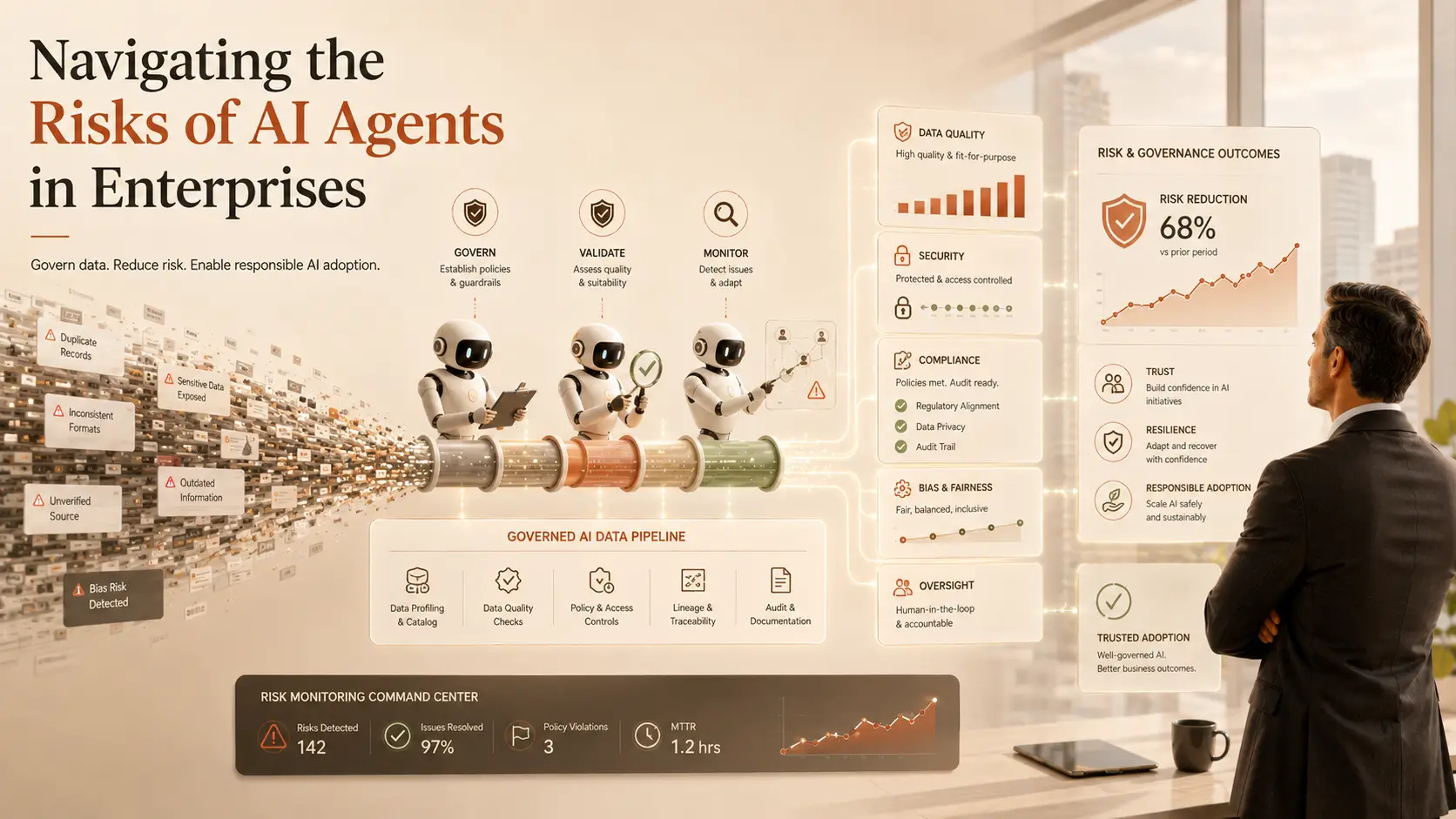
CIOs face an evolving challenge with shadow IT as AI agents start to play significant roles in enterprises. These agents can access sensitive data and perform actions autonomously, raising governance and accountability concerns. Organizations must adopt tailored governance models to mitigate risks associated with AI technologies and ensure controlled deployment.
-
Why Data Quality Matters for Revenue with AI Agents
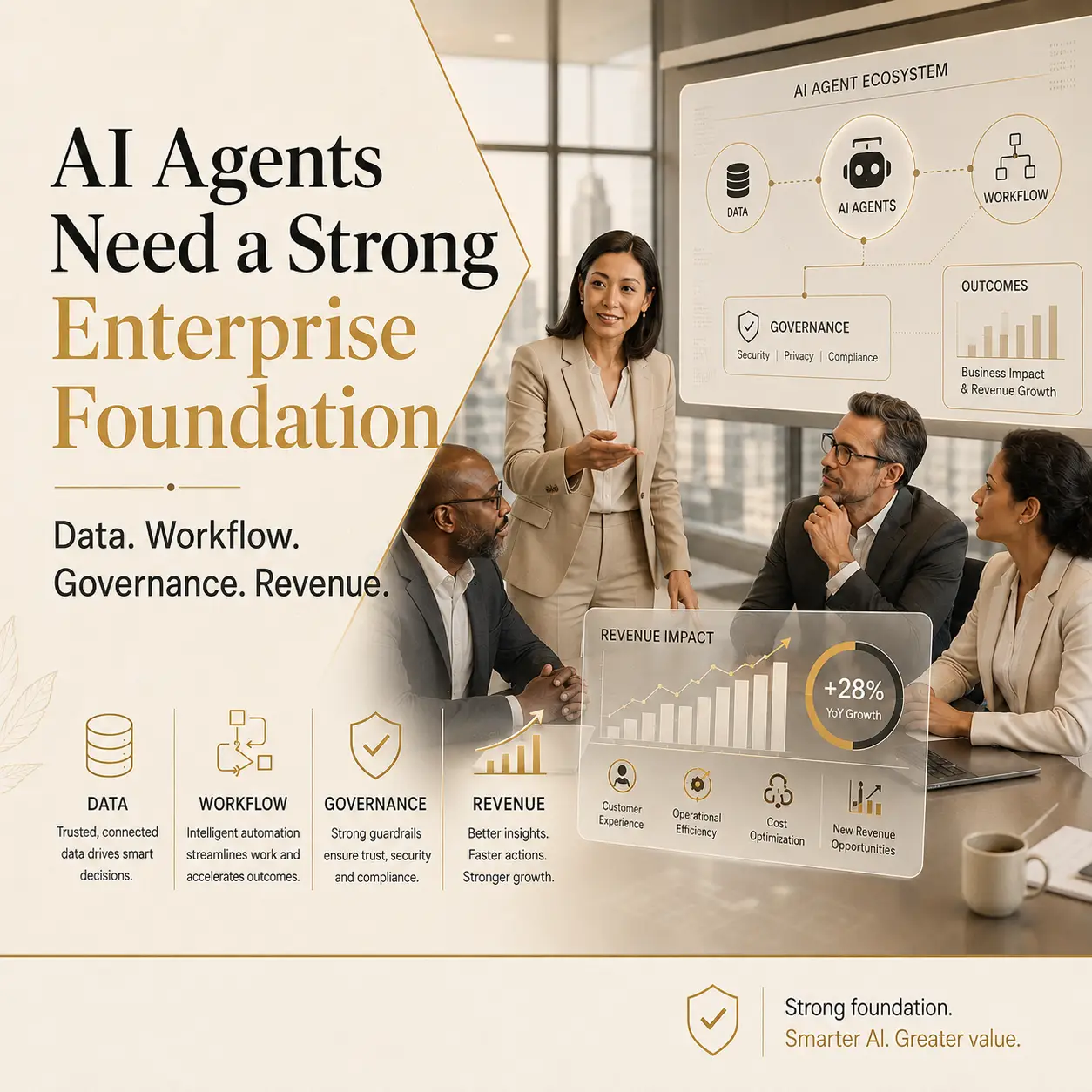
AI agents are moving fast from experimentation to business execution. But deploying them on fragile systems, poor data, and weak governance will accelerate confusion not revenue. Here is what CIOs and executive teams need to build first.
-
3 Steps to Implement AI in Your Small Business
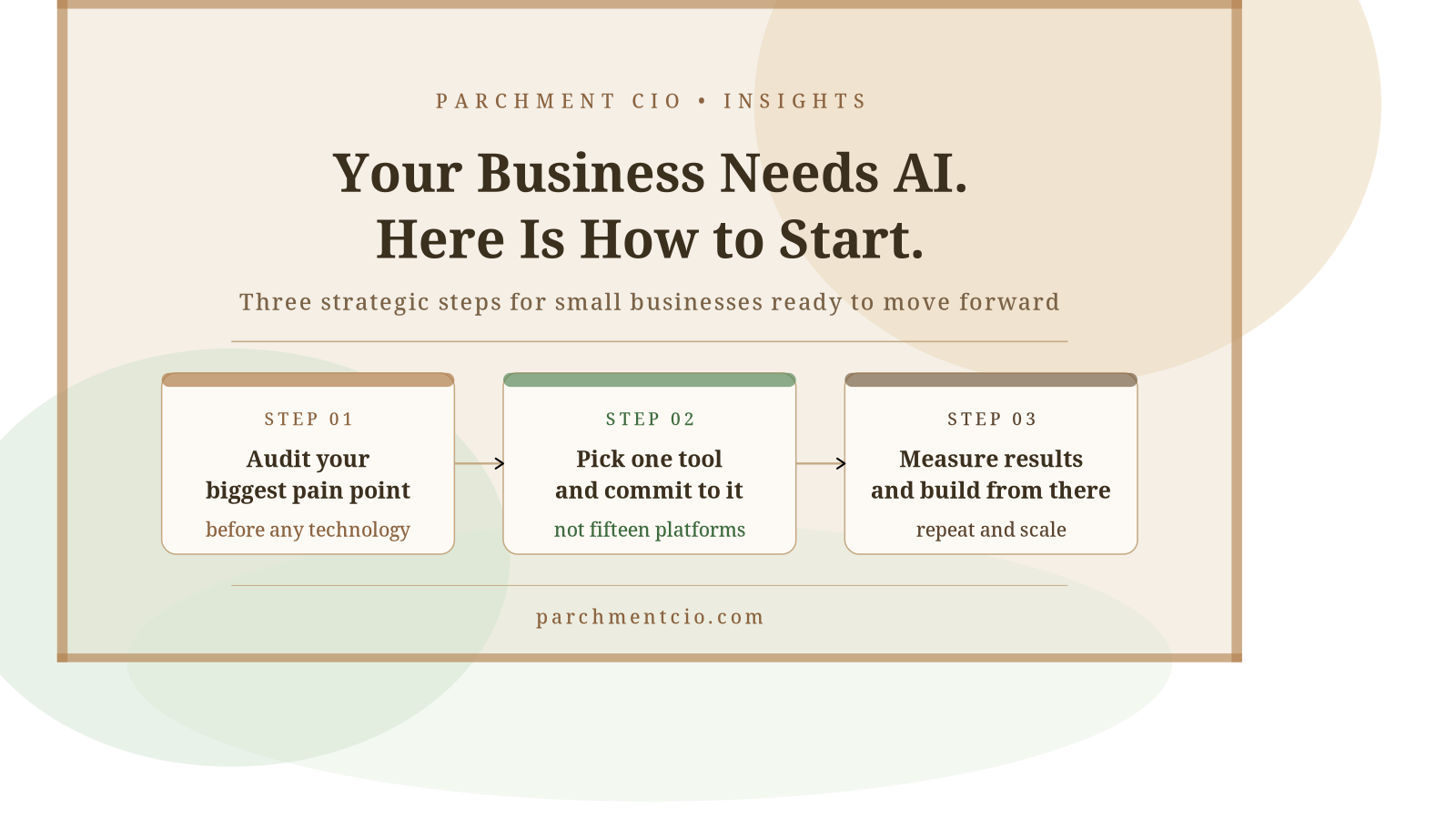
AI can feel overwhelming for small businesses, but it does not have to start with a major transformation. Here are three practical steps to begin using AI with clarity, control, and measurable business value.
-
Why Boards Must Prioritize Technology Governance
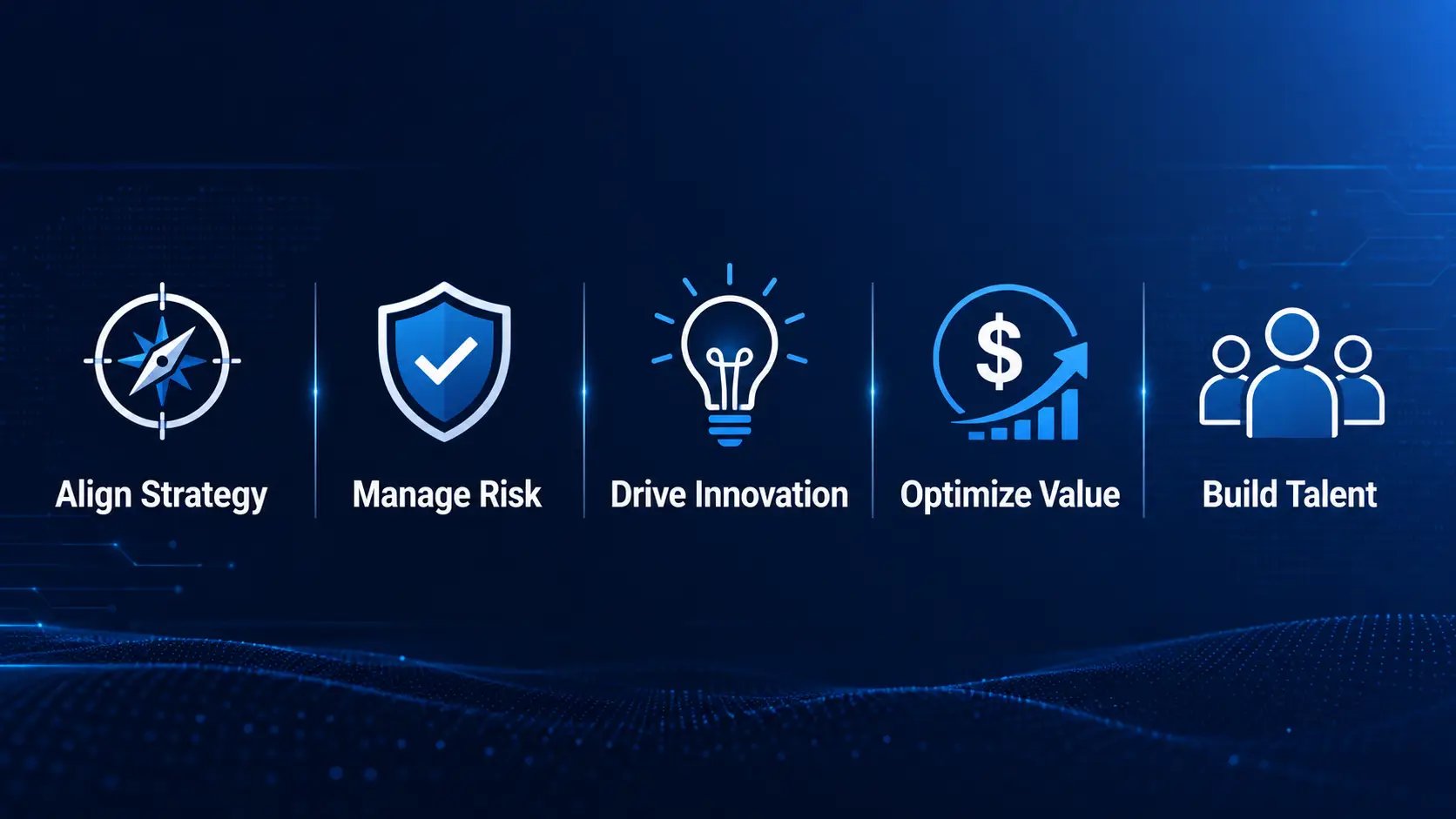
Technology is now a key focus for boards, influencing growth and innovation. Effective executive technology leadership ensures strategic alignment, risk management, and talent development, driving organizations towards sustainable digital success with informed governance practices.
-
Strategies for Small Business Looking for Help to Enhance Technology
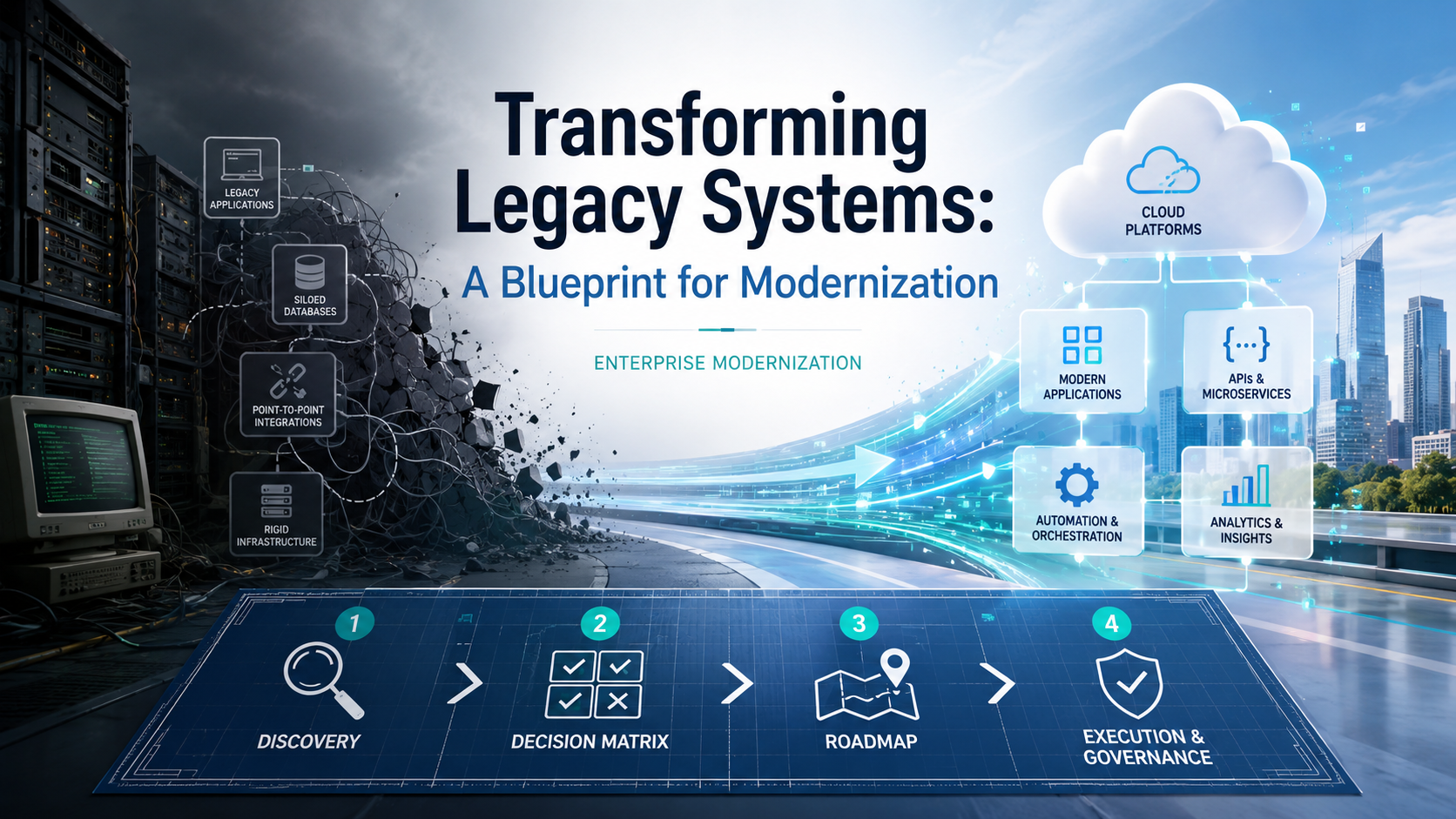
Modernizing legacy systems is essential for organizations to enhance scalability, security, and integration while reducing costs. A structured 4-R transformation framework enables firms to streamline processes, mitigate risks, and foster innovation for future growth.
-
Key Steps to Build a Business-Centric IT Roadmap

An IT roadmap is essential for aligning technology initiatives with business goals, enhancing collaboration, and avoiding costly inefficiencies. By strategically mapping objectives and prioritizing initiatives, organizations can transform technology into a powerful enabler of success and measurable impact.